
Lentil (Lens)
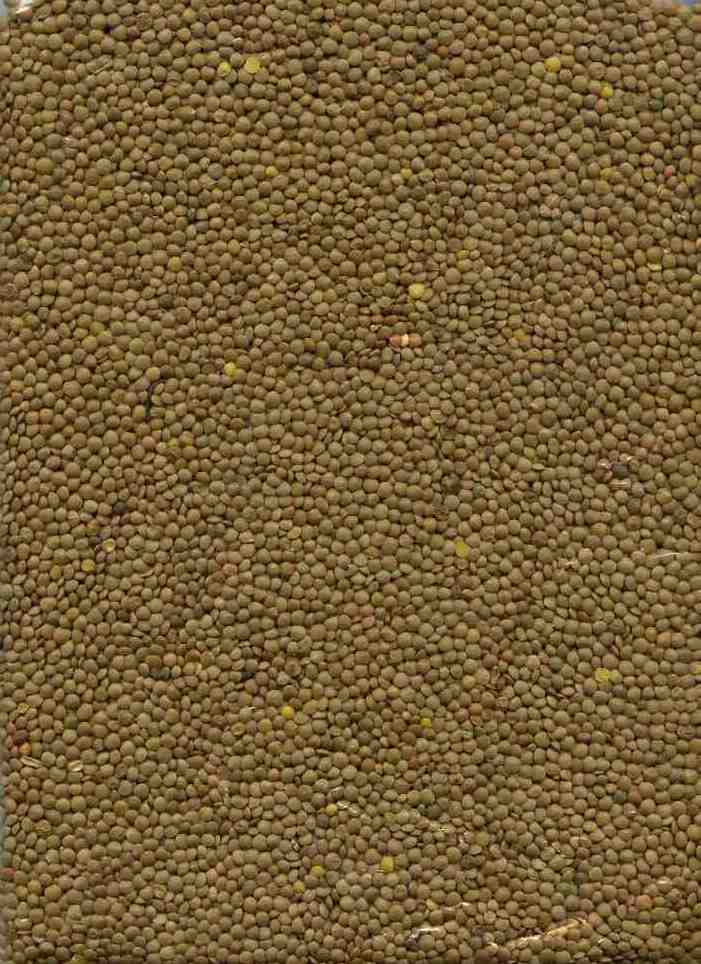
Lentils are consumed in many ways. They can be eaten soaked, germinated, cooked, fried and baked. The most common preparation method is cooking. The seeds require a cooking time of 10 to 40 minutes, depending on the variety; shorter for small varieties with the husk removed, such as the common red lentil. Most varieties have a distinctive, earthy flavor. Lentils with husk remain whole with moderate cooking; lentils without husk tend to disintegrate into a thick purée, which leads to quite different dishes. The composition of lentils leads to a high emulsifying capacity which can be even increased by dough fermentation in bread making.
Lentils are used worldwide to cook many different dishes. Lentil dishes are most widespread throughout South Asia, the Mediterranean regions and West Asia. In the Indian subcontinent, lentil curry is part of the everyday diet, eaten with both rice and roti. Boiled lentils and lentil stock are used to thicken most vegetarian curries. They are also used as stuffing in dal parathas and puri for breakfast or snacks. Lentils are also used in many regional varieties of sweets. Lentil flour is used to prepare several different bread varieties, for example Papadum. Lentils are used to prepare an inexpensive and nutritious soup all over Europe and North and South America, sometimes combined with some form of chicken or pork. In western countries, cooked lentils are often used in salads. According to the USDA National Nutrient Database, 100 g of raw lentils (variety unspecified) provide 353 calories; the same weight of cooked lentils provides 116 calories. Raw lentils are 8% water, 63% carbohydrates including 11% dietary fiber, 25% protein, and 1% fat (table). Lentils are a rich source (20% or more of the Daily Value, DV) of numerous essential nutrients, including folate (120% DV), thiamin (76% DV), pantothenic acid (43% DV), vitamin B6 (42% DV), phosphorus (40% DV), iron (50% DV), and zinc (35%), among others (table). When lentils are cooked by boiling, protein content declines to 9% of total composition, and B vitamins and minerals decrease due to the overall water content increasing (protein itself is not lost). Lentils have the second-highest ratio of protein per calorie of any legume, after soybeans.