
Vetch (Vicia)
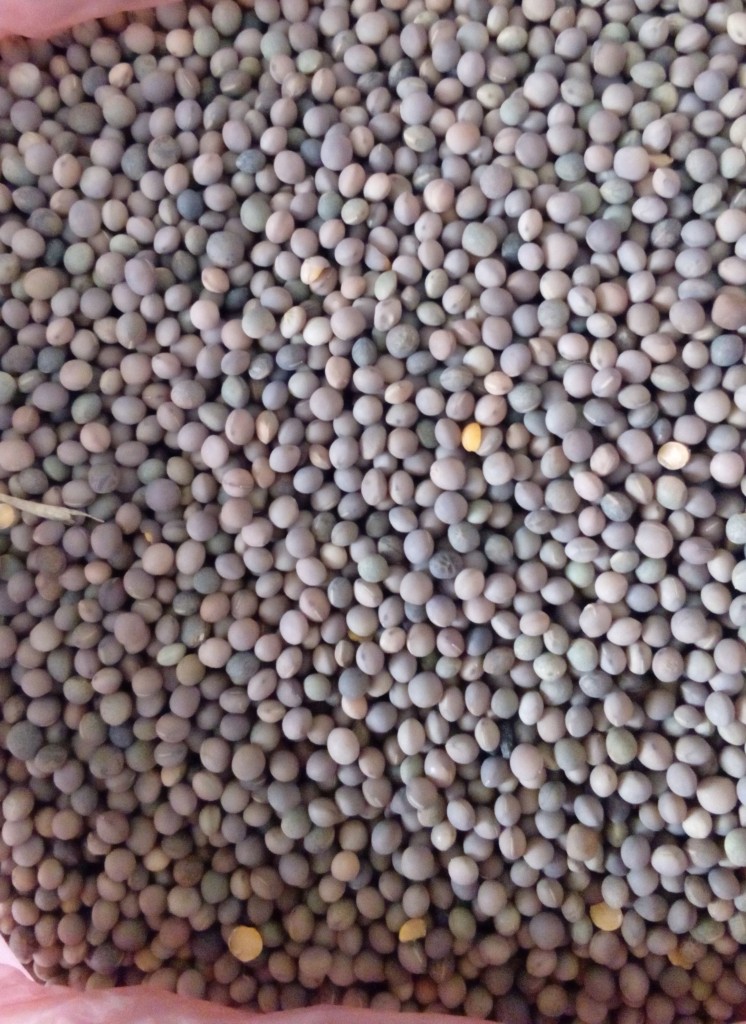
Bitter vetch (V. ervilia) was one of the first domesticated crops. It was grown in the Near East about 9,500 years ago, starting perhaps even one or two millennia earlier during the Pre-Pottery Neolithic A. By the time of the Central European Linear Pottery culture – about 7,000 years ago – broad bean (V. faba) had also been domesticated. Vetch has been found at Neolithic and Eneolithic sites in Bulgaria, Hungary and Slovakia.[2] And at the same time, at the opposite end of Eurasia, the Hoabinhian people also utilized the broad bean in their path towards agriculture, as shown by the seeds found in Spirit Cave, Thailand.[3] In our time, the common vetch (V. sativa) has also risen to prominence. Together with broad bean cultivars such as horse bean or field bean, the FAO includes it among the 11 most important pulses in the world. The main usage of the common vetch is as forage for ruminant animals, both as fodder and legume, but there are other uses, as tufted vetch.
It is an ideal short-term crop of high nutritive value, highly acceptable to different classes of livestock and valuable in vetch/cereal mixtures. This plant is attractive to bees, butterflies and for birds.
Packing: in bulk(only sea delivering), 50 kg bags or big-bags.
Delivery terms: CPT, DAP, FOB, CFR.
Shipment options:
· in 20′ containers with loading (440 bags) 50 kg bags 22 MT of commodity
· trucks with loading (440 bags) 50 kg bags or big bags 22 MT of commodity
Shipping documents:
· Commercial invoice;
· Ocean bill of lading, CMR
· Packing list;
· Certificate of origin;
· Certificate of quality.